Dashboard Design

Operations Analytics Hub

A real-time operations dashboard for Apex Logistics that unified six data sources, adopted across three regional offices and saving 2 hours of reporting per day.

Client
Apex Logistics
Year
2024
Timeline
3 Weeks
Services
Dashboard Design, UI/UX, Data Viz, Figma, Power BI
The Challenge

The Problem We Solved

Apex Logistics was managing six separate Excel sheets, three different reporting formats, and daily email summaries just to get a picture of their fleet, warehousing, and delivery performance. Critical decisions were being made on data that was 24 hours old.

Senior managers spent 2 hours each morning compiling reports before they could begin making decisions.

Our Approach

How We Approached It

Two discovery sessions with operations managers, regional directors, and the data team mapped exactly what decisions needed to be made and what data drove each one. This gave us the KPI hierarchy before a single frame was designed.

We designed 12 distinct views in Figma — master overview, fleet tracking, warehouse capacity, delivery performance, driver metrics, and cost analysis — each with primary action, secondary context, and a colour-coded alert system.

Dashboard Design
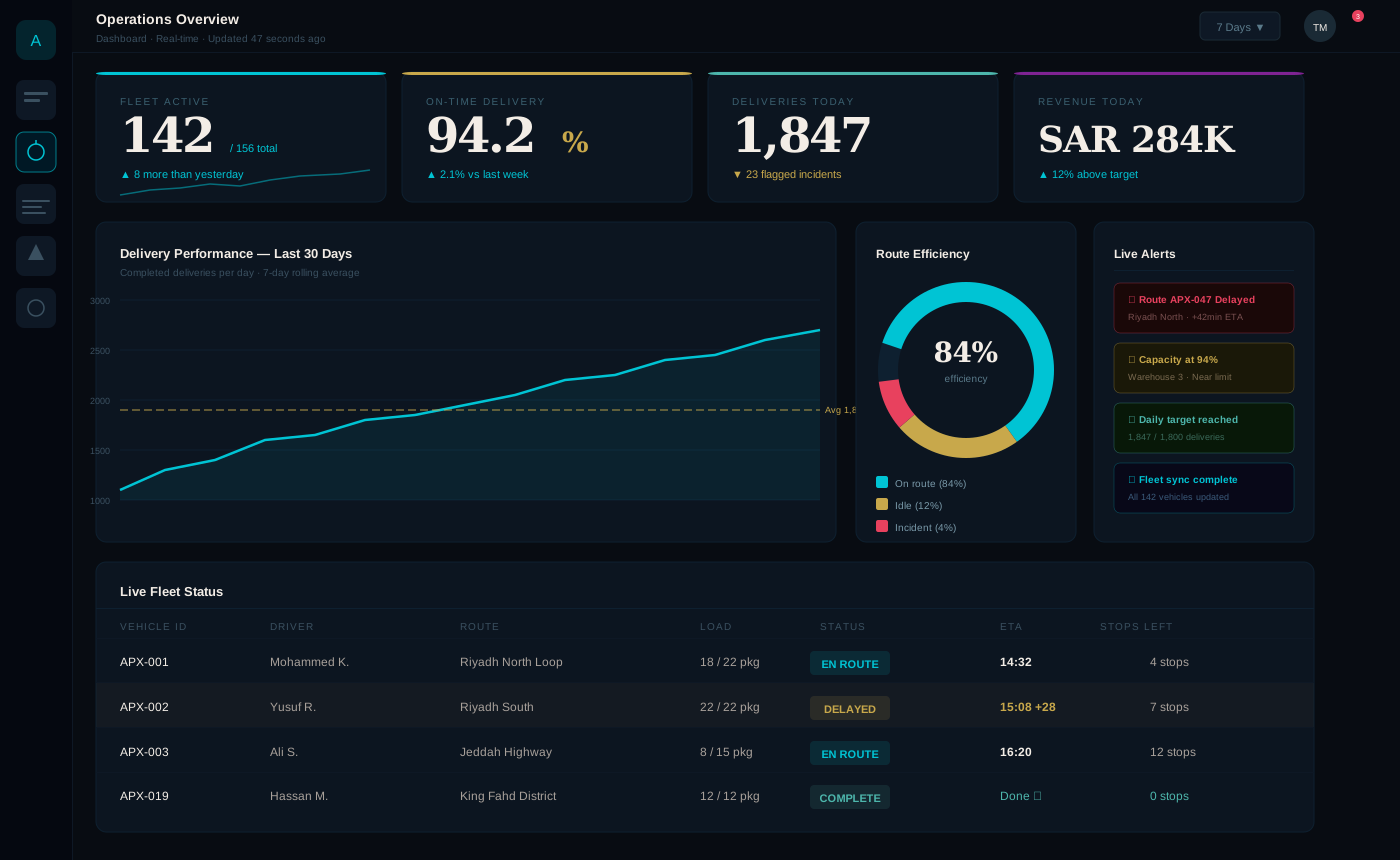
Live Operations Overview
Deliverables

What We Delivered

📊
12-view Figma dashboard design system with component library
📱
Tablet-responsive layouts for field managers
🎨
Power BI theme file matching the visual design
📋
Full handover documentation for development team
🔔
Alert logic specifications and colour coding system
2 weeks post-handover design support
“The dashboard replaced two hours of manual reporting every single morning. Our managers are now making decisions by 8 AM instead of spending the morning compiling data.”
— Tariq Al-Mahmoud, Operations Director, Apex Logistics
Results & Impact

The Outcome

40%
Reduction in daily reporting time
3
Regional offices adopted the system
24h
Data latency reduced to real-time
Next Project
Annual Corporate Gala — Full Identity
View Case Study